

As we covered in part one, the gut microbiome plays a role in many systems throughout the body. When it becomes disrupted, it often shows up as symptoms like constipation, diarrhea, bloating, or general digestive discomfort.
An unhealthy gut can also impair nutrient absorption, which may lead to deficiencies over time. Since the body relies on these nutrients as building blocks, this can affect essential functions such as neurotransmitter production (including serotonin), immune system strength, and the formation of healthy blood cells.
Because so many processes depend on proper nourishment and gut function, imbalances in the digestive system can begin to show up as more widespread, systemic symptoms. The body is deeply interconnected, and the gut sits at the center of that connection. This is why supporting gut health isn’t about one single solution — it’s about working with the body in a more complete and supportive way.
In this post, we’re going to discuss some natural remedies that can help support your digestive system, encourage more regular bowel movements, and ultimately help you start feeling better again.
Nature’s Toolbox
There are a handful of natural supports that can be taken separately or layered together to gently help restore balance within the digestive system. Each one works a little differently:
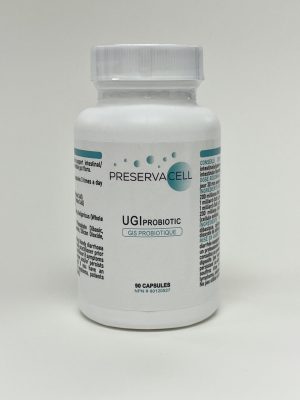
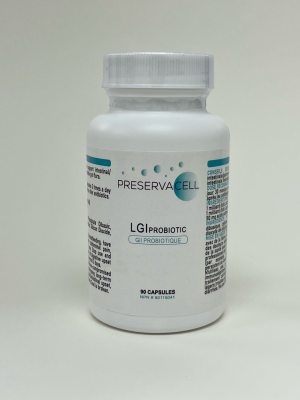
- UGI + LGI Probiotics Probiotics help support a healthier balance of microorganisms in the gut, which plays a major role in restoring a healthy gut microbiome. Having the proper balance and type of bacteria is essential for overall digestion and gut function.
- Ginger to encourage proper digestive movement and reduce discomfort
- L-Glutamine to help support the gut lining
- Slippery Elm or Marshmallow Root to soothe and coat the digestive tract
- Magnesium Oxide to help draw water into the bowels and support relief from constipation
- Binding/soothing support (like soluble fibre sources such as psyllium husk) to help improve stool consistency in cases of loose stools
When used appropriately, these tools can help bring the digestive system back toward a more balanced and predictable state.
How It Works
Digestion relies on a few key functions working properly at the same time: movement (motility), microbial balance, and the integrity of the gut lining. When one or more of these areas are off, symptoms can start to show up.
UGI + LGI Probiotics These probiotics support a healthy balance of gut flora throughout both the upper and lower digestive tract. Certain strains in these probiotic formulas have been studied for their role in supporting a healthy microbial environment. UGI focuses on supporting the upper gastrointestinal tract and can be taken daily as part of your routine. It’s typically the better option for those who struggle more with constipation, helping to support balance where digestion begins. LGI is a similar probiotic that focuses on the lower gastrointestinal tract, and is preferred for those clients who experience more diarrhea. If clients tend to experience both constipation or diarrhea, people may benefit from pairing these together.
Ginger
Ginger helps support healthy digestive motility, encouraging food to move through the digestive tract at a more appropriate pace. It can also help ease digestive discomfort, such as bloating and nausea. This is partly due to its active compounds, such as gingerols, which influence digestive enzymes and gastric emptying.
L-Glutamine
L-glutamine is an amino acid that serves as a primary fuel source for the cells lining the intestines. It helps support the integrity of the gut lining, which is important for proper absorption and reducing irritation. It is especially important for rapidly dividing intestinal cells, which rely on it for repair and maintenance.
Slippery Elm / Marshmallow Root
Slippery elm and marshmallow root contain mucilage, a gel-like compound that coats and soothes the digestive tract. This can help calm irritation and provide gentle support for both sensitive or inflamed gut tissue. When mixed with water, the mucilage forms a protective layer that can temporarily shield the mucosal lining.
Magnesium Oxide
Magnesium oxide works by drawing water into the intestines, which helps soften stool and promote bowel movements. This makes it a commonly used option for supporting relief from occasional constipation. It also increases osmotic pressure in the colon, which stimulates natural peristalsis (gut movement).
Psyllium Husk
Psyllium husk is a soluble fiber that absorbs water in the digestive tract, helping to bulk and form stool. This allows it to support both constipation and loose stools by improving overall stool consistency. It forms a gel-like substance in the gut that helps regulate transit time and supports a more balanced bowel environment.
Step-by-Step Implementation
If you’re looking to start supporting your gut, the key is to keep things simple and consistent rather than doing everything at once.
Start with a daily probiotic to help support microbial balance. From there, layer in digestive support like ginger around meals, and consider adding L-glutamine on an empty stomach to help support the gut lining.
If constipation is your main concern, magnesium oxide can be added on the days where a movement is needed. If you tend toward diarrhea or loose stools, incorporating a gentle fibre supplement daily may help bring more consistency.
If pain or irritation is a concern, try adding in both ginger and soothing herbs like slippery elm or marshmallow root to address these symptoms.
The goal isn’t to overwhelm your system, but to give it the right support and time to respond. Try with a couple supplements to start, give your body time to adjust, and add or eliminate as needed, listening to your body for signals.
What If There’s a Deeper Root Cause?
While these strategies can be very helpful, it’s also important to consider what may be contributing to the imbalance in the first place. In some cases, digestive symptoms may be influenced by factors such as parasites, bacterial imbalances, or yeast overgrowth.
If parasites are a concern, certain herbal approaches – such as those that include black walnut -have traditionally been used as part of broader cleansing protocols.
If bacterial or yeast imbalances are contributing to symptoms, UGI or LGI probiotics can help support a healthier balance of gut flora and a more stable digestive environment.
Addressing both support and potential root contributors is often where more meaningful progress happens
Summary
Supporting gut health means looking at the bigger picture. By helping regulate motility, supporting the microbiome, soothing the gut lining, and considering deeper root causes, you’re giving your body what it needs to function more efficiently.
This type of approach is what helps move digestion from unpredictable to more stable over time.
Call to Action
If you’ve been dealing with ongoing digestive issues, start simple and build from there. Consistency and the right combination of support can make a significant difference.
And as we continue this series, we’ll dive deeper into specific foods that can further support and strengthen your gut health.
Reach out if you would like to discuss which health options may be right for you by booking an online consultation.
Stay tuned for part three of this mini-series on the specific foods to eat and avoid to restore a healthier gut microbiome.