
As we covered in the previous parts of this series, the gut influences far more than digestion alone. It plays a key role in nutrient absorption, immune balance, energy production, mood, and many other systems throughout the body. When the gut becomes imbalanced, symptoms can begin to show up throughout multiple systems.
We also explored natural ways to support gut function and encourage better digestion. Now, in this final part of the Gut Reset Series, we are focusing on one of the most powerful tools available: FOOD.
Nutrition is not one-size-fits-all. The same foods that help one person thrive may leave another person feeling sluggish, inflamed, congested, bloated, or uncomfortable. Genetics, ancestry, environment, digestive strength, microbiome balance, and metabolic tendencies all influence how the body responds to certain foods.
This is why food should be chosen not only by trends or labels like “healthy,” but by how well it matches your individual body type and biological needs.
Nutrient Spotlight - Why Certain Food Categories Matter
Protein
Protein is foundational to nearly every metabolic process in the body. Amino acids – the building blocks of protein – are essential for tissue repair, enzyme production, immune function, and overall health.
While protein is essential for everyone, not all sources are equally beneficial for every individual. Some examples include:
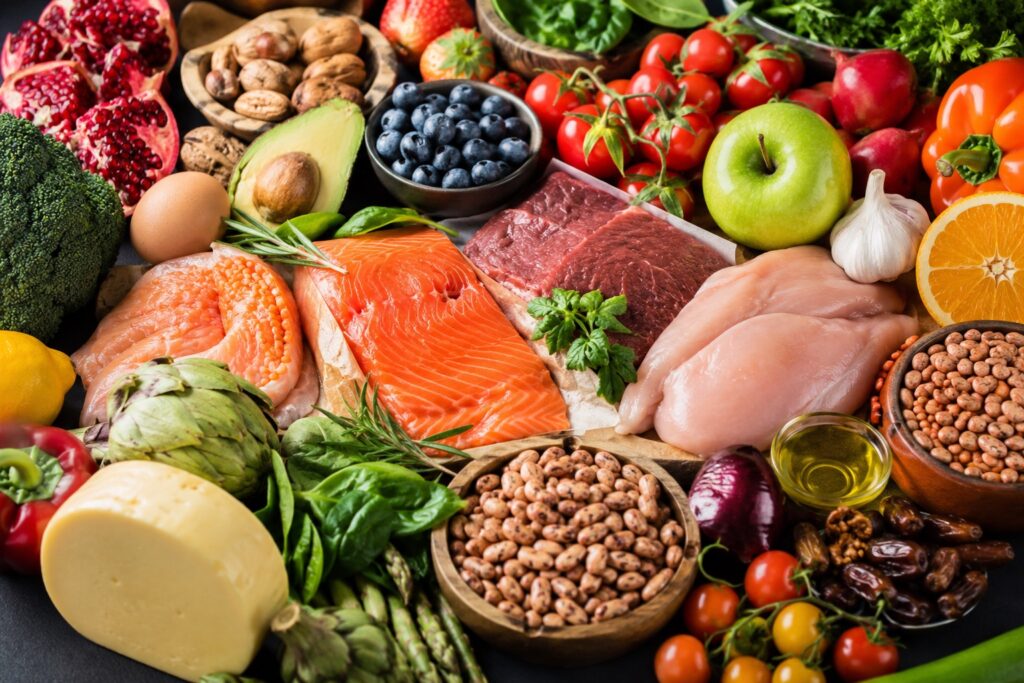
Good protein sources:
- Chicken
- Fish – Examples: Cod, Perch, Trout, Tuna, Mahi Mahi, salmon
- Red Meat – Beef, bison, elk, moose, deer,
- Eggs
Less ideal/avoid:
- Bottom-feeding seafood: shrimp, calamari, crab, etc. – often higher in contaminants
- Pork: pigs lack certain lymphatic filtering, their fat concentrates higher levels of toxins and have a higher risk of carrying certain parasites such as trichinosis.
- Processed meats: Deli meats, sausages, hot dogs – Highly processed, contains chemical additives, poor-quality sodium; classified as a carcinogenic by the WHO.
Note: Protein needs and tolerance vary by genetics; not everyone requires the same balance of red meat versus other proteins – more on this in Section 4.
Yeast
Foods such as:
- Bread
- Pasta
- Refined grains
- Baked goods
- Beer
- Wine
- Nuts
These foods can be more problematic for individuals dealing with yeast imbalance, sugar cravings, sluggish digestion, or recurrent bloating. Many processed grain foods are also quickly broken down into sugars, which may further fuel imbalance.
Sulfur
This category is often overlooked, yet highly important.
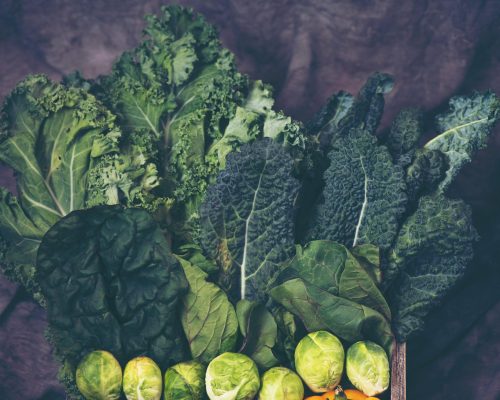
Sulfur-containing foods include:
- Eggs
- Garlic/onions
- Cruciferous vegetables (broccoli, cabbage, Brussels sprouts)
- Green leafy vegetables
While these foods can be nutritious, some people do not process sulfur efficiently. This can relate to genetics, detoxification capacity, microbiome shifts, mineral balance, enzyme function, and ancestral adaptation patterns.
Note the difference between: Free sulfur (alliums, cruceiferous) – rapidly fermented by gut bacteria into hydrogen sulfide gas, often causing quick-onset bloating and discomfort in sensitive individuals.
Protein-bound sulfur (eggs, meat methionine, cysteine) – released more gradually during digestion and typically directed toward tissue repair rather than bacterial fermentation.
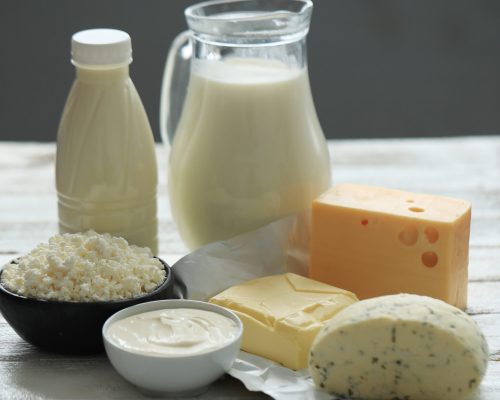
Dairy
Includes:
- Milk
- Cheese
- Cream
- Ice cream
- Whey-containing products
Many conventional dairy products may contain residual hormones or growth-related compounds naturally present in milk, and in some production systems, additional hormone use can influence overall composition. Dairy can cause inflammation and hormonal imbalances in sensitive people, which can contribute to inflammation, hormonal acne, skin rashes, or digestive upset.
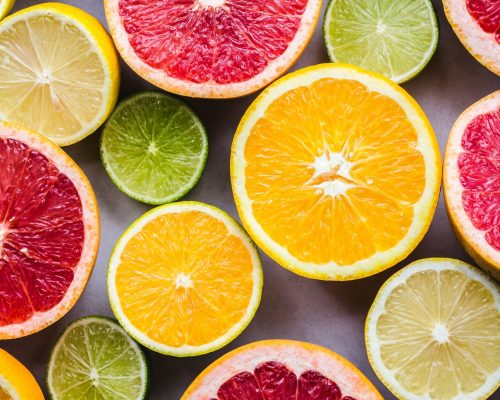
Citric / Acidic Foods
Includes:
- Citrus fruits
- Tomatoes
- Vinegar-heavy foods
- Highly acidic beverages
Tolerance varies by individual body chemistry and digestive resilience. Historically, people in northern climates consumed more berries and fewer acidic tropical fruits, which may contribute to greater sensitivity to citric foods in those populations. In contrast, people from tropical regions who had year-round access to acidic fruits often tolerate them better. For individuals with gut sensitivities, temporarily eliminating acidic foods can support healing.

Health Connection - Eating for Your Body Type
Modern nutrition often promotes universal rules, but biology is highly individualized.
Different populations adapted over generations to different climates, food availability, sunlight exposure, farming practices, and traditional diets. These adaptations may influence enzyme production, mineral handling, inflammatory tendencies, acid/alkaline balance, and tolerance to certain foods. Many traditional diets developed around the foods naturally available in a region – such as root vegetables in colder climates, tropical fruits near the equator, seafood along coastlines, or grains where farming was common. Over generations, populations often adapted to those food environments, which can influence digestion, enzyme activity, and tolerance to certain foods today. This is why some people may feel best eating in a way that more closely reflects their ancestry, climate roots, and the foods their bodies were historically exposed to.
Examples may include:
- Some individuals thrive on higher animal protein and root vegetables.
- Others tolerate legumes, fruit, grains, and fermented foods more easily.
- Some feel better limiting dairy.
- Others do better reducing sulfur-heavy foods.
The goal is not to label foods as “good” or “bad,” but to understand compatibility.
The Science Made Simple
Protein
Protein needs are often treated as universal, but ancestral adaptation plays a significant role in how efficiently different bodies process this macronutrient.
Northern climate adaptation. Populations that evolved in Northern Europe, Scandinavia, and Arctic regions spent generations relying heavily on animal protein and fat when carbohydrates were scarce during long winters. This selective pressure resulted in:
- Higher resting metabolic rate (RMR): Caucasians tend to have an RMR approximately 5% higher than people of African descent – an adaptation for internal heat generation in cold environments. Higher metabolic rate means higher caloric and protein demands.
- Genetic selection for protein metabolism: Variants favouring efficient energy extraction from animal protein became more common in these populations.
- Stronger protein-sparing effects from animal sources: Cold-adapted bodies appear to retain lean muscle mass more effectively from meat and fish than from plant proteins.
Tropical and sub-tropical adaptation. Populations from Africa, the Caribbean, and equatorial regions evolved under different pressures. Generating excess body heat was a liability, not an advantage, leading to:
- Lower resting metabolic rate: A more efficient “cooler engine” that conserves energy rather than burning it for warmth.
- Greater protein efficiency: Research on nitrogen balance suggests these populations extract amino acids effectively from moderate-protein diets. Higher fecal nitrogen in some studies indicates the body takes what it needs and discards excess rather than struggling to meet requirements.
- Ancestral diets rich in fish, poultry, and plants: When people of African descent shift to high-red-meat Western diets, they experience significantly higher inflammation compared to other groups – suggesting their systems are tuned for leaner protein sources.
The practical takeaway. Protein needs exist on a spectrum shaped by ancestral geography. Those with Northern European ancestry may genuinely require more total protein – particularly from animal sources – to support their higher metabolic baseline. Those with tropical or sub-tropical ancestry often thrive on moderate protein intake emphasizing fish, poultry, legumes, and plant sources, and may experience more inflammation when red meat dominates.
Yeast Foods
Yeast-containing foods such as bread, pasta, baked goods, beer, and wine can be difficult for some individuals when eaten in excess or too frequently. Refined grain products are rapidly broken down into sugar, which may feed unwanted yeast or bacterial overgrowth in the gut. These foods can also ferment during digestion, leading to bloating, gas, cravings, and sluggish digestion in sensitive individuals.
Sulfur Metabolism
Sulfur is a natural compound used in many body processes. It helps form amino acids, connective tissue, detoxification compounds, and antioxidants such as glutathione.
However, sulfur must be properly processed. If intake is high while detox pathways are sluggish, some people may accumulate irritating sulfur byproducts. Gut bacteria can also convert sulfur compounds into hydrogen sulfide gas, which in excess may contribute to:
- Gas
- Bloating
- Loose stools
- Irritation
- Strong body odor or gas odor
- Brain fog in some individuals
The inflammation connection. At low levels, hydrogen sulfide acts as a beneficial signaling molecule. At higher concentrations, it becomes cytotoxic – damaging the intestinal lining, impairing mitochondrial energy production, and triggering inflammatory cascades. People with sluggish sulfur detoxification, certain genetic variants, or dysbiotic gut flora are especially vulnerable to this tipping point.
Baseline matters. Because internal sulfur levels vary by genetics and ancestry, the same dietary sulfur load affects people differently. Someone with naturally high sulfur status adding garlic, eggs, and broccoli to every meal may push past their threshold, while another person with lower baseline levels handles those foods easily.
This does not mean sulfur foods are unhealthy – it means metabolism matters.
Free-floating vs. protein-bound sulfur. Not all dietary sulfur behaves the same way. Cruciferous vegetables and alliums (garlic, onions) contain sulfur in relatively “free” forms that gut bacteria quickly ferment into hydrogen sulfide gas – often causing rapid-onset bloating and discomfort in sensitive individuals. Animal foods like eggs and meat contain sulfur bound within protein structures (methionine and cysteine), which is released more gradually during digestion and directed toward tissue repair rather than bacterial fermentation. This is why some people tolerate eggs better than a large serving of broccoli, despite both being “sulfur foods.”
Dairy
Dairy can affect people through three main pathways: proteins, sugars, and hormone signaling.
- Milk proteins (casein/whey): May trigger immune irritation or inflammatory responses in sensitive individuals, contributing to congestion, mucus, skin flare-ups, or digestive discomfort.
- Lactose (milk sugar): If lactase enzyme levels are low, lactose remains undigested and ferments in the gut, causing bloating, gas, cramps, and loose stools.
- Insulin / IGF-1 signaling: Dairy may raise insulin and IGF-1 activity, which can stimulate oil glands, increase sebum production, and worsen acne or hormone-related skin concerns in some people.
It’s important to note that dairy tolerance exists on a spectrum. Some individuals may handle small amounts – especially fermented or higher-quality sources – without issue, while others notice symptoms even with minimal intake. Factors such as gut health, enzyme production, genetics, and overall inflammatory load all influence how the body responds.
Additionally, the type and quality of dairy matter. Processing methods, fat content, and how the animal was raised can all impact how the body reacts. Many commercial dairy products also contain added ingredients – such as colorants in certain cheeses or added sugars in flavored yogurts – which can further contribute to digestive stress, blood sugar fluctuations, and inflammation in sensitive individuals. For those experiencing persistent symptoms, a temporary removal followed by a structured reintroduction can help determine individual tolerance and guide long-term dietary choices.
Myths vs Facts
Myth: If a food is natural, everyone should eat it. Fact: Natural foods can still be incompatible for certain body types, depending on genetics and ancestry.
Myth: Green smoothies are always healthy. Fact: For some people, high-sulfur greens may cause more inflammation than benefit – especially those with already elevated internal sulfur levels.
Myth: Garlic and onions are always beneficial. Fact: These are nature’s natural antibiotics and work as broad-spectrum antimicrobials, and best used as such. Consuming them with every meal will disrupt beneficial bacteria balance. They also contain free-floating sulfur compounds that cause significant irritation in sensitive individuals. Use these foods strategically when dealing with infection rather than as daily staples.
Myth: Everyone needs the same amount of protein. Fact: Protein needs vary based on metabolic rate and ancestral adaptation. Northern-climate ancestry typically correlates with higher protein requirements; tropical ancestry often means greater efficiency with moderate intake of more lean proteins.
Steps To Take
- Notice which foods energize you versus drain you.
- Track reactions to dairy, yeast, sulfur, and acidic foods.
- Eliminate or reduce problem categories depending on your current situation and your ancestry.
- Cooking eggs fully through can help reduce available sulfur content.
- If you’re sensitive to vegetable sulfur, try shifting toward protein-bound sources (eggs, fish, red meat) rather than cruciferous vegetables and alliums.
- Match protein intake and sources to your ancestry and metabolic needs – higher for Northern European backgrounds, moderate and lean for tropical backgrounds.
- Choose protein, root vegetables, and non-acidic fruits such as berries as a stable base.
- Personalize nutrition rather than copying another person’s diet.
Takeaways
Why Genetics Matter
Some bodies are more efficient at processing certain compounds due to inherited enzyme patterns and ancestral dietary history. This is one reason why the same smoothie, salad, or supplement can affect two people completely differently.
- Food tolerance is individual.
- Genetics, ancestry, and metabolism influence nutrition needs.
- Sulfur foods are healthy for some, problematic for others.
- Dairy, yeast foods, and acidic foods may also need adjusting.
- The best diet is the one your body functions best on.
Call to Action
✔Have you noticed that certain “healthy” foods do not feel healthy for you?
✔What did you like most about this gust reset series? Send me a message if you have a topic you’d like discussed.
✔Book a consultation to see what treatment plan would be best for you so you can reclaim your health, and restore your life.
References
Food and Agriculture Organization of the United Nations, World Health Organization, & United Nations University. (1981). Energy and protein requirements: Report of a joint FAO/WHO/UNU expert consultation (WHO Technical Report Series No. 724). World Health Organization.
Oniang’o, R., Maingi, Z., Jaika, S., & Konyole, S. (2025). Africa’s contribution to global sustainable and healthy diets: A scoping review. Frontiers in Nutrition, 12, 1519248. https://doi.org/10.3389/fnut.2025.1519248
Pathak, A. K., Kolesnikova, A., Sambreker, D. U., Org, E., & Kivisild, T. (2025). Precision nutrition across climates: Decoding diet, tradition, and genomic adaptations from South Asia to the Arctic. Frontiers in Nutrition, 12, 1638843. https://doi.org/10.3389/fnut.2025.1638843
Rajpal, S., Katikaneni, P., Deshotels, M., Pardue, S., Glawe, J., Shen, X., Akkus, N., Modi, K., Bhandari, R., Dominic, P., Reddy, P., Kolluru, G. K., & Kevil, C. G. (2018). Total sulfane sulfur bioavailability reflects ethnic and gender disparities in cardiovascular disease. Redox Biology, 15, 480–489. https://doi.org/10.1016/j.redox.2018.01.007
Sharp, T. A., Bell, M. L., Grunwald, G. K., Schmitz, K. H., Sidney, S., Lewis, C. E., Tolan, K., & Hill, J. O. (2002). Differences in resting metabolic rate between White and African-American young adults. Obesity Research, 10(8), 726–732. https://doi.org/10.1038/oby.2002.99
Tan, S. Y., Batterham, M., & Tapsell, L. (2010). Energy expenditure does not differ, but protein oxidation rates appear lower in meals containing predominantly meat versus soy sources of protein. Obesity Facts, 3(2), 101–104. https://doi.org/10.1159/000290061
Uauy, R. (1981). Effect of ethnic, racial and environmental factors on protein requirements. In Energy and protein requirements: Report of a joint FAO/WHO/UNU expert consultation. Food and Agriculture Organization of the United Nations. FAO Reference
World Health Organization & International Agency for Research on Cancer. (2015, October 26). Cancer: Carcinogenicity of the consumption of red meat and processed meat.