
Your Blood is your lifeline - RBCs
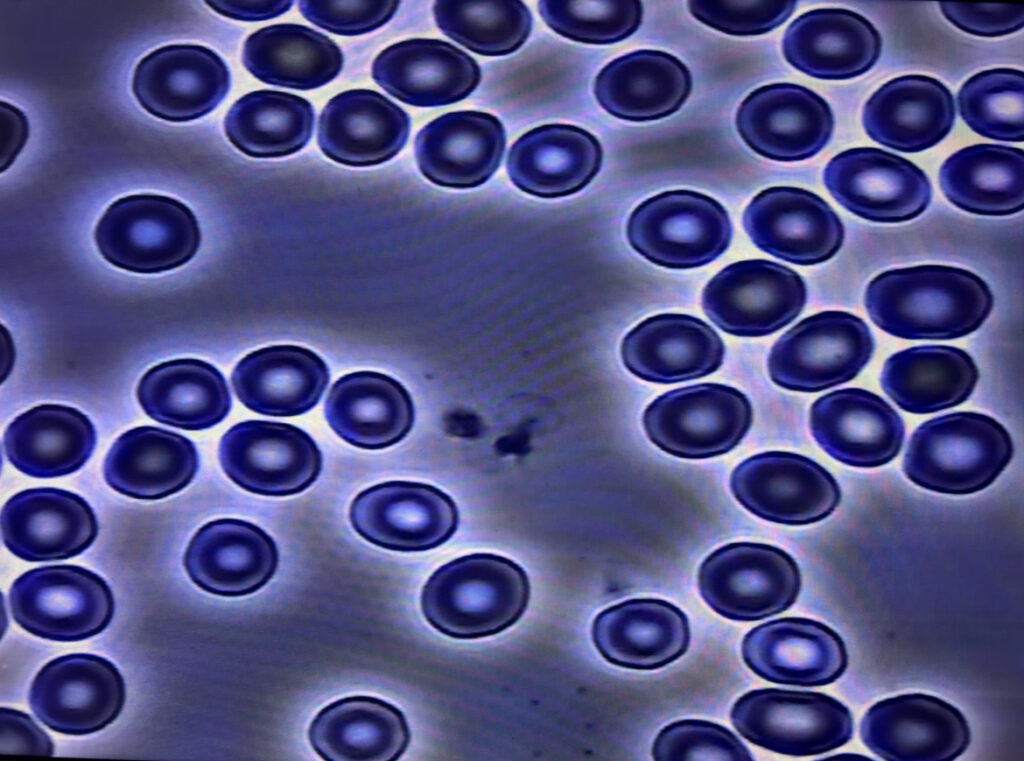
Ever feel drained no matter how much sleep you get? Do you find yourself battling brain fog, low energy, or nagging symptoms that just won’t go away, even though you eat well, exercise, and do all the “right” things? Many people search for answers in diet plans, new supplements, or lifestyle changes—but few ever stop to consider what’s happening inside their blood on a cellular level.
Your blood is your lifeline. It is the highway that carries oxygen, nutrients, and hormones to every cell in your body, while removing toxins and waste. It fuels your immune system, delivers energy, and helps your body heal when injured. When blood is functioning optimally, you feel vibrant, focused, and strong. But when it’s not, symptoms can appear long before a diagnosis ever shows up.
The Connection to your health
Healthy blood means healthy cells, and healthy cells mean a healthy body. Your blood is made up of red blood cells (RBCs), white blood cells (WBCs), and platelets—all produced in the bone marrow.
Red blood cells (RBCs): As mentioned above, these cells are what delivers your body the essential nutrients and oxygen it needs in order to stay alive. They should live for about 120 days and remain separate, free-floating, and slightly “charged” so they don’t stick together. It is important to have an appropriate number of RBC’s functioning optimally, while too few RBC’s cause anemia type disorders and too many causes blood congestion and blood pressure disorders.
White blood cells (WBCs): These are your defense system. There are many different types of WBC’s that perform various jobs to keep you safe from invading organisms. Too few, or weak, sluggish, underactive WBC’s leave you vulnerable to frequent infections and slow healing.
Platelets: These act as first responders to stop bleeding by creating a clot and signaling tissues to heal. But if platelets are out of balance—too few or too many—or acute/chronic inflammation, you may bleed excessively or develop large platelet clusters that put you at risk for stroke or a heart attack.
When your blood is out of balance, your entire body feels it, but for the purpose of this post, were going to focus on red blood cells. White blood cells and platelets play equally vital roles, and I will be covering those topics in more detail in upcoming posts.
The Science Made Simple
Think of your red blood cells like a delivery and waste-management system rolled into one. It must supply oxygen and nutrients to every single cell while carrying away carbon dioxide, toxins, and cellular waste. If either function slows down, your body pays the price.
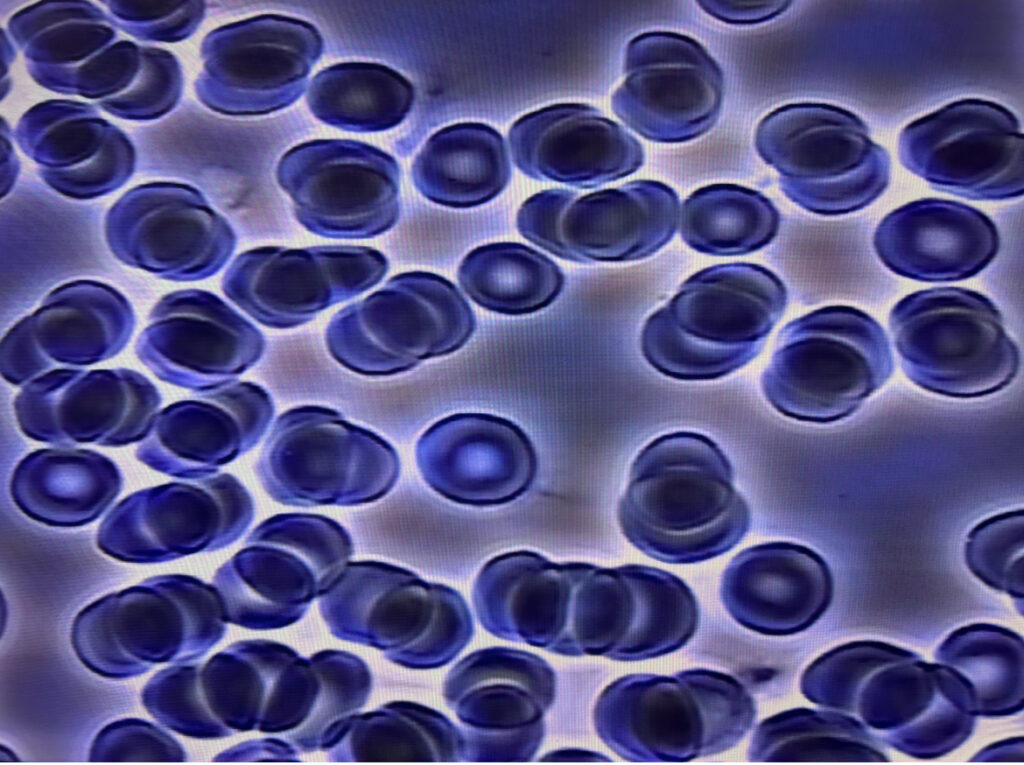
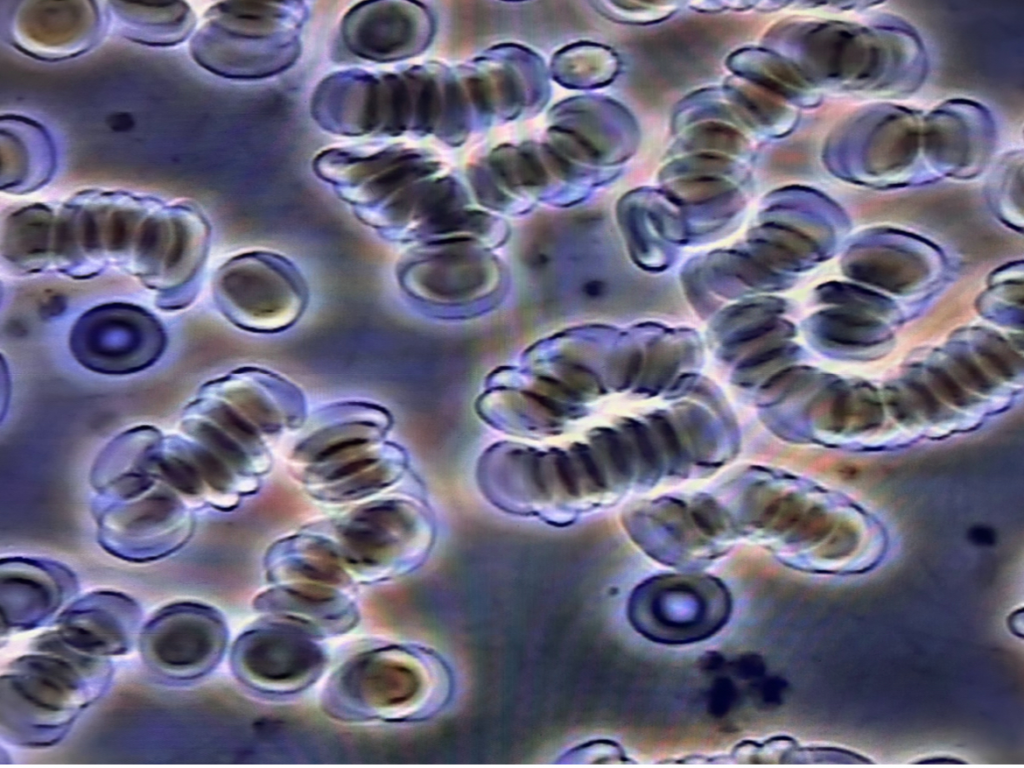
When RBCs are missing key nutrients, their structure weakens. They may lose their normal electrical charge, causing them to clump together instead of flowing freely. To understand why this happens, let’s look at what a healthy RBC needs to function properly.
Each RBC contains hemoglobin, a protein complex made of four globin chains. Attached to each globin is an iron-containing group called heme. Together, these globin–heme units form hemoglobin—the molecule responsible for binding and transporting oxygen.
For hemoglobin to work properly, your body requires essential nutrients:
- Iron– the binding site that allows hemoglobin to carry oxygen.
- Protein– the building block of every globin chain, and of all tissues in the body.
- Vitamin B12 and folate– needed for proper red blood cell production and healthy structure.
If red blood cells are low in iron, they can’t carry oxygen effectively. This reduces oxygen delivery to your tissues, leaving you feeling tired, low in energy, and/or short of breath. Low iron also contributes to brain fog, headaches, and dark circles can appear under your eyes. Without adequate protein, the body struggles to build strong cells and repair tissues. This also leads to fatigue/low energy, poor concentration, loss of muscle mass/weakness, delayed wound healing, swelling, brittle hair and nails, mood changes or irritability, and frequent infections.
When RBCs lack these key nutrients, they break down sooner than the normal 120-day lifespan. This forces your bone marrow to work harder, producing more RBCs to compensate. Weak or nutrient-deficient RBCs not only struggle to carry oxygen but also become less effective at removing waste and toxins. This buildup can contribute to joint pain, brain fog, inflammation, and general fatigue. This forces your bone marrow to work harder to replace them, which contributes to ongoing fatigue. If nutrient deficiencies persist, your bone marrow continues to produce weak, short-lived cells. To keep up, it may overproduce RBCs, resulting with congesting circulation and increasing strain on the heart—leading to palpitations, irregular heartbeats, or blood pressure changes.
If the marrow can’t keep pace and too many RBCs die off, anemia develops. Common anemia symptoms include:
- Fatigue or low energy
- Weakness
- Pale skin or mucous membranes
- Feeling cold easily
- Shortness of breath
- Dizziness or light-headedness
- Headaches
- Rapid or irregular heartbeat
Vitamin B12 and folate deficiencies can lead to a type of anemia called macrocytic anemia, where red blood cells are larger than normal and less effective at carrying oxygen. These anemias share many of the general symptoms of anemia (fatigue, weakness, pale skin, shortness of breath, dizziness, and rapid heartbeat).
What sets them apart are the specific symptoms tied to each deficiency:
- B12 deficiency→ may cause neurological issues, including numbness or tingling in the hands and feet, poor balance or difficulty walking, memory problems, confusion, and mood changes such as depression or irritability.
- Folate deficiency→ does not cause neurological problems, but can contribute to irritability, mouth sores, and in severe cases, poor growth or developmental problems (especially during pregnancy).
As you can see, having enough healthy, well-functioning red blood cells has a profound impact on how you feel day to day. When key nutrient deficiencies occur, your RBCs are compromised, leaving you vulnerable to a wide range of symptoms.
Practical Tips/What to do
Nutrition
- Prioritize protein: Every RBC needs protein for proper structure. Include clean sources like lean red meats, wild-caught fish, chicken, and eggs with every meal. Vegetable protein sources include beans, lentils, and quinoa. Spirulina and hemp hearts taken together provides adequate amounts of all essential amino acids, making this combination a complete protein.
- Iron matters: Choose heme iron (animal-based, like red meat, poultry, and fish). Other non-heme iron sources include spirulina, hemp hearts, lentils, pumpkin seeds, baked potatoes, and beans).
- B12 and folate: Essential for RBC formation. B12 is found in meat, fish, dairy, and eggs; folates are found in leafy greens, asparagus, avocado, legumes, and root vegetables, especially beets.
- Hydration: Your plasma is mostly water. Aim for 2 liters of mineralized water daily to keep blood flowing smoothly. If your drinking water that has been heavily filtered, you want to replace your trace minerals and electrolytes as to not become dehydrated.
Lifestyle / Habits
- Movement is medicine: Regular exercise improves circulation, oxygen delivery, and prevents “sluggish” blood. Try to get a minimum of 30 minutes of a brisk walk into your daily routine.
- Deep breathing: Oxygen fuels your RBCs—practice slow, deep breathing or try breathwork to increase oxygen uptake and reduce stress.
- Stress reduction: Chronic stress can thicken blood and reduce immunity. Prioritize sleep, meditation, journaling, or nature time.
- Avoid smoking & limit alcohol: Both damage red blood cells and significantly impair circulation.
Supplements / Tools
- Iron (if deficient): Always test before supplementing—too much can be harmful. Obtaining a bioavailable form that is easy to absorb is essential. Fumarate iron is one to look for.
- B-complex vitamins: Especially B12 and folate for RBC health. Find a sublingual B12 (dissolvable under the tongue) for best absorption and bioavailability. Look for folate options as this is easier to absorb, instead of folic acid, which is a synthetic form.
- Probiotics: If you have absorption issues, these can help your body use the nutrients you eat. Most of the population have poor digestion from chronic inflammation, poor choice in foods, infection etc. Finding a probiotic that helps balance your natural gut microbiome is essential for improving digestion.
- Live blood analysis: A helpful tool to actually see what your RBCs, WBCs, and platelets look like, giving a clear picture of where your blood health stands.
Key takeaways
- Your blood is your lifeline – it delivers nutrients, oxygen, and immune support while clearing waste.
- Healthy RBCs, WBCs, and platelets are essential for energy, immunity, and healing.
- Nutrients like protein, B12, folate, and iron are foundational for strong red blood cells.
- Hydration, movement, and stress management directly impact circulation and blood quality.
- Supplements may help, but testing and professional guidance are key.
- Ignoring symptoms like fatigue, cold extremities, or frequent illness can delay intervention.
Supporting your blood health means supporting every system in your body.
Call to action
Ready to see how your blood health is impacting your energy, mood, and long-term wellness? Stay connected for more tips on nutrition and natural health, or book an online health assessment to get a personalized treatment plan to help you get in the right direction towards health.
Red blood cells deliver life – but who defends it? Next week, we discuss white blood cells!