
Have you ever noticed that after eating certain meals you feel energized and satisfied for hours, while other meals leave you hungry again shortly afterward?
Many people experience energy crashes, constant cravings, or stubborn weight gain despite trying various diets. One reason this happens is that modern diets are often high in refined carbohydrates and low in nutrient-dense foods that truly nourish the body.
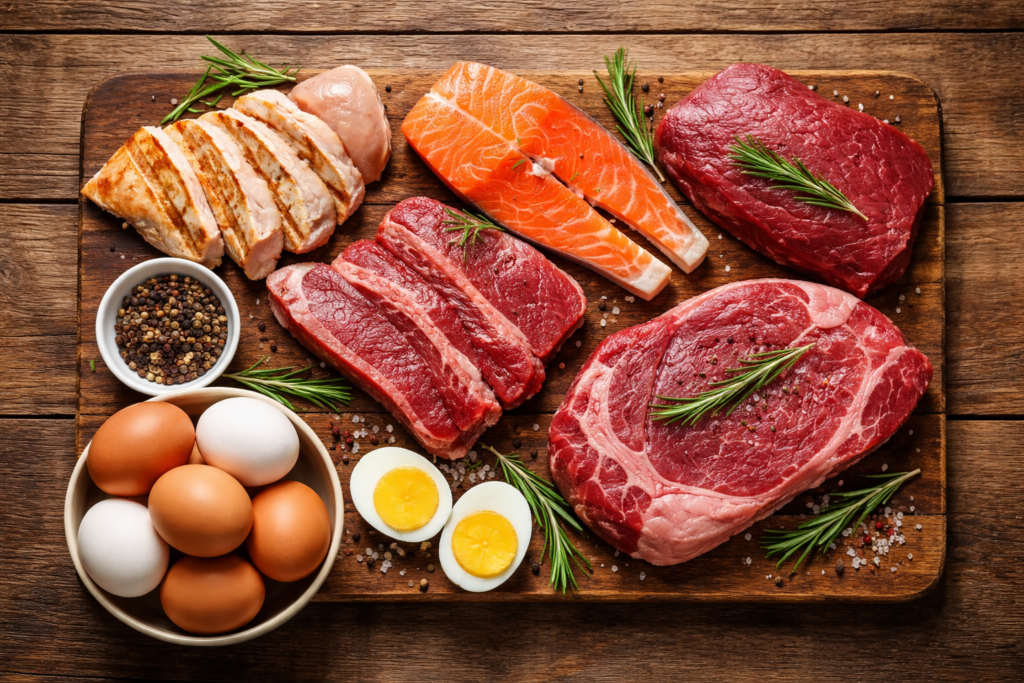
One dietary approach that has gained significant attention in recent years is the carnivore diet – a way of eating that focuses primarily on animal foods such as meat, fish, eggs, and certain dairy products while eliminating most plant-based foods.
While it may initially sound extreme, the principle behind this diet centers around one of the most essential nutrients for human health: protein.
Protein plays a critical role in nearly every biological function in the body, and understanding its role helps explain why many people report improvements in energy, body composition, metabolic health, and even chronic conditions when adopting a protein-focused dietary pattern.
nutrient focus
Protein: The Building Block of Life
Protein is often called the building block of life, and for good reason. It is composed of amino acids that form the structural and functional components of nearly every cell in the body.
Proteins are responsible for:
- Building and repairing muscle tissue
- Producing enzymes that drive digestion and metabolism
- Creating hormones that regulate body systems
- Supporting immune function through antibody production
- Forming neurotransmitters that affect mood and cognition
The human body contains tens of thousands of proteins, each performing a specific biological function. For example:
- Muscle proteins allow for movement and strength
- Digestive enzymes break down food into usable nutrients
- Hormones such as insulin and glucagon regulate blood sugar levels
- Antibodies protect against infections and disease
Animal foods—such as red meat, poultry, fish, and eggs – provide complete proteins, meaning they contain all nine essential amino acids that the human body cannot produce on its own.
Because of their amino acid profile and bioavailability, animal proteins are often absorbed and utilized more efficiently than many plant proteins. Additionally, most plant proteins lack one or more essential amino acids, requiring careful food combinations to achieve the same amino acid profile found in animal foods.
While meat can be highly nutritious, it’s important to choose whole, minimally processed sources rather than deli meats, dairy products, or highly processed packaged foods.
The Role of Fat in a Carnivore Diet
While protein is central to the carnivore diet, dietary fat also plays an important role.
Animal fats provide:
- Energy and caloric intake, especially when carbohydrates are low
- Fat-soluble vitamins such as vitamins A, D, E, and K
- Essential fatty acids required for cellular health
- Support for hormone production and brain function
When carbohydrate intake is minimal, the body often shifts toward burning fat for fuel, a metabolic state known as nutritional ketosis. In this state, fat becomes the body’s primary energy source.
However, the balance between protein and fat can vary depending on individual goals.
For example:
- Some individuals follow a higher-fat carnivore approach for sustained energy and satiety.
- Others emphasize higher protein with moderate fat, allowing the body to mobilize stored body fat for energy.
It is important to note that the body can synthesize cholesterol and certain fats internally. Therefore, when protein intake is adequate and energy needs are met, the body can regulate fat metabolism according to its needs.
The Science Made Simple
Why Protein Supports Metabolic Health
Protein has a higher thermic effect of food (TEF) than carbohydrates or fats. This means the body uses more energy digesting and metabolizing protein.
Protein also stimulates the release of satiety hormones, such as peptide YY (PYY) and GLP-1 (glucagon-like peptide-1). These hormones signal fullness to the brain, which can naturally reduce calorie intake without conscious restriction.
Scientific Evidence Supporting High-Protein Diets
Weight Management
A 2015 meta-analysis published in the American Journal of Clinical Nutrition found that higher protein intake significantly improved body composition, appetite regulation, and fat loss while preserving lean muscle mass.
Blood Sugar Regulation
Protein helps stabilize blood glucose by slowing digestion and reducing large spikes in insulin. Diets that are lower in carbohydrates and higher in protein have shown improvements in insulin sensitivity and metabolic health.
Muscle Maintenance and Longevity
Adequate protein intake supports muscle protein synthesis, which is critical for maintaining muscle mass and preventing age-related muscle loss (sarcopenia).
Brain and Hormone Health
Amino acids from protein are required to produce neurotransmitters such as dopamine, serotonin, and norepinephrine, which influence mood, cognition, and sleep.
Animal foods also provide cholesterol and nutrients necessary for producing hormones such as testosterone, estrogen, and cortisol.
Research and Clinical Observations on Carnivore Diets
Although large-scale long-term trials on strict carnivore diets are still emerging, many studies on low-carbohydrate and animal-based diets show promising results.
Research has demonstrated improvements in:
- Type 2 diabetes and insulin resistance
- Obesity and metabolic syndrome
- Inflammatory markers
- Triglyceride and HDL cholesterol levels
- Digestive conditions
- Chronic inflammation
In one observational study published in Current Developments in Nutrition (2021), individuals following a carnivore-style diet reported improvements in metabolic health markers, energy levels, and overall wellbeing. Clinicians working with low-carbohydrate dietary approaches have also documented cases of improvements in these discussed conditions.
While more controlled research is still needed, these findings suggest that reducing processed carbohydrates while emphasizing nutrient-dense animal foods may significantly impact metabolic health.
Myths vs Facts
Myth: High-protein diets damage the kidneys
Fact:
For individuals with normal kidney function, research shows that higher protein intake does not negatively affect kidney health. Protein restriction is typically recommended only for those with existing kidney disease.
Myth: Eating mostly animal foods leads to nutrient deficiencies
Fact:
Animal foods are among the most nutrient-dense foods available, containing highly bioavailable nutrients such as:
- Vitamin B12
- Iron
- Zinc
- Selenium
- Fat-soluble vitamins A, D, E, and K
These nutrients are often more easily absorbed compared to plant sources.
Steps to Take
If you’re curious about experimenting with a higher-protein or carnivore-style approach, start gradually.
- Prioritize protein at each meal
Include foods like eggs, fish, beef, or poultry. - Choose nutrient-dense animal foods.
Opt for whole foods such as steak, salmon, and/or eggs while avoiding processed meats such as deli meats or sausage. - Balance protein and fat according to your goals
Higher fat may support energy, while higher protein may support fat loss. - Reduce processed foods and refined carbohydrates
Replacing processed snacks with protein-rich foods can help stabilize energy levels. - Pay attention to your body’s signals
Track hunger, digestion, and energy levels when adjusting your diet.
Takeaways
- Protein is essential for muscle, hormones, enzymes, and immune health.
- Animal foods provide complete proteins with highly bioavailable nutrients.
- Dietary fat provides energy and supports vitamin absorption on a carnivore diet.
- Higher protein intake may support fat loss, metabolic health, and satiety.
- Reducing processed foods while focusing on nutrient-dense animal foods may improve overall health for many individuals.
Call to Action
Have you ever experimented with increasing your protein intake or following a high-protein or low-carbohydrate diet?
✔ Try incorporating one protein-focused meal per day this week and observe how your energy levels, cravings, and hunger patterns respond.
✔ Share your experiences or questions, email me for a health topic you’d like discussed next!