
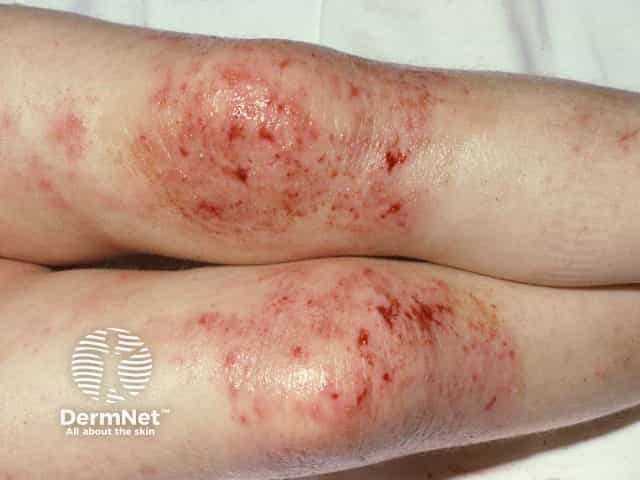
Skin rashes can appear suddenly and often without warning. One day your skin is clear, and the next there is redness, itching, bumps, or irritation that seems to come out of nowhere. For some people, rashes are even chronic, with flare after flare that never fully resolves.
Most people try to treat a rash from the outside with creams, ointments, or medications to calm the skin. While these can help reduce symptoms, they don’t address why the rash appeared in the first place.
The skin is the body’s largest organ and plays an important role in immune defense and communication between the internal and external environment. Because of this, skin symptoms can sometimes reflect what is happening deeper within the body.
Rather than viewing a rash as only a skin problem, it is more helpful to see it as a signal from the immune system that something deeper needs your attention.
The Connection to Your Health
The skin is closely connected to many other systems in the body, particularly the immune system, digestive system, and detoxification organs such as the liver, kidneys, and lymphatic system.
When the body encounters infections, toxins, or other inflammatory triggers, the immune system releases chemical signals to respond and protect the body. These signals can sometimes affect the skin, producing symptoms such as redness, swelling, itching, or raised bumps. In addition, both acute and chronic infections can produce toxic byproducts, which may also contribute to skin reactions and rashes. Viral infections, bacterial infections, allergic reactions, and other immune responses can all create visible changes in the skin. Depending on the type of infection or trigger present, rashes can appear in different forms. They may present as flat or raised patches, dry or moist areas, or even flaky or irritated skin. This is why rashes often appear during illness, after exposure to environmental triggers, or during periods of physical or emotional stress.
Skin reactions are influenced by what is happening internally — particularly within the immune system, digestive tract, and the body’s detoxification pathways. Recognizing these connections allows us to look beyond the surface and take a more supportive approach to healing the body as a whole.
The Science Made Simple
Rashes develop when the immune system activates inflammatory pathways in the skin or when byproducts from infections and toxins are being processed and eliminated through the body. Because the skin is one of the body’s detoxification organs, it can sometimes become a visible outlet when the body is under immune stress.
The immune system is constantly monitoring the body for potential threats, including viruses, bacteria, parasites, allergens, and toxins. When a trigger is detected, immune cells release signaling molecules called cytokines and histamine. These signals increase blood flow and immune activity in the affected area.
This immune activity is what produces many of the common symptoms seen in rashes, including:
- redness
- swelling
- itching bumps or patches on the skin
Different types of triggers and infections can produce different patterns of rashes:
- Viral infections often cause widespread rashes that may appear flat or slightly raised. Viruses can activate systemic immune responses throughout the body, which is why viral rashes frequently appear over larger areas of the skin.
- Bacterial infections, on the other hand, often produce more localized rashes that may include swelling, warmth, or raised lesions due to direct infection of the skin or surrounding tissue.
- Yeast infections can produce dry, itchy, flaky rashes that often resemble eczema-like patches, or they may create moist, red, inflamed areas depending on the part of the body affected.
- Parasitic infections may also lead to itchy, raised, or irritated skin reactions as the body responds to the organism and the byproducts it produces.
However, it is important to note that the appearance of a rash alone cannot always determine the exact cause. Many factors influence how a rash presents, including the strength of the immune response, skin sensitivity, the individual’s microbiome balance, and the type of organism involved.
Most rashes are ultimately connected to some form of immune response to infection or irritation within the body. When the body encounters microorganisms that do not belong, an overgrowth of certain microbes, or foreign substances that the body recognizes as harmful, the immune system activates to protect the body.
Because the skin is both a protective barrier and a detoxification organ, it can sometimes become a site where inflammation and elimination processes become visible. The skin contains sweat glands and sebaceous glands that help remove certain waste products through sweat and oil. When internal stress from infections or toxic load is elevated, the skin may reflect this through irritation, inflammation, or rash formation.
Determining which infection may be at play as well as supporting immune balance, digestive health, and detoxification pathways will help reduce the frequency or severity of skin flare-ups and supporting the body’s natural healing processes.
Practical Tips / What To Do
If you are experiencing recurring rashes, it is important to look beyond the skin itself and consider factors that may be influencing internal inflammation or immune stress.
Here are several supportive strategies to consider.
- Treat the Infection
The first step in addressing many skin rashes is identifying and treating the underlying infection. This may involve determining whether the trigger is viral, bacterial, parasitic, or yeast-related. In many chronic skin cases, yeast overgrowth and parasites are often common contributors. You can learn more about this in my post on parasites, and I will be sharing more information about yeast in future posts.
When the body is dealing with acute or chronic infections, toxic byproducts can accumulate as the immune system works to break down and eliminate these organisms. This ongoing immune activity can increase inflammation in the body and place additional stress on detoxification pathways.
As this burden builds, the body may become more reactive to certain foods. Food sensitivities often develop when the body is struggling to efficiently clear toxic debris and inflammatory byproducts. In these cases, certain foods can act as additional triggers, worsening inflammation and contributing to skin flare-ups.
By addressing and clearing the underlying infection — the true root cause — we reduce the stress placed on the immune system. Once this burden is lifted, the body can focus on restoring balance and healing properly, which often leads to improvement or resolution of the skin rash.
- Support Gut Health
The digestive system plays a significant role in immune function. In fact, a large portion of the immune system resides in the gut.
When the gut microbiome becomes imbalanced, inflammatory signals can increase throughout the body, sometimes contributing to skin reactions.
Supporting gut health may include:
- Eat whole, unprocessed foods
- Avoid consuming garlic, onions, or cloves daily (as they act as broad-spectrum antimicrobials that can disrupt both beneficial and harmful gut bacteria)
- Limit citric and sulfur-rich foods if experiencing gastrointestinal issues, as they may increase irritation and inflammation
- Support beneficial bacteria with targeted probiotics (you can explore my probiotic line here)
- Reduce excess sugar and choose natural sources such as raw honey, pure maple syrup, or fruit instead
- Reduce Immune Triggers
Certain environmental exposures can trigger immune reactions that show up on the skin.
Common triggers include:
- artificial fragrances
- harsh detergents
- synthetic fabrics
- food sensitivities
- environmental allergens
Switching to gentler personal care products and laundry detergents can sometimes reduce skin irritation. Many conventional products contain synthetic fragrances, dyes, preservatives, and chemicals such as phthalates, parabens, and sulfates, which can disrupt the skin barrier and irritate the immune system. These compounds can be absorbed through the skin and may contribute to inflammation or sensitivity in some individuals.
Choosing simpler, more natural products can help reduce this burden. Look for products that are fragrance-free or scented only with pure essential oils, and made with minimal ingredients. Laundry detergents that are free of dyes and synthetic fragrance tend to be much gentler on the skin. Natural soaps made with ingredients like olive oil, coconut oil, shea butter, or castile soap are often better tolerated than heavily perfumed body washes.
Small changes such as switching to natural laundry detergents, essential-oil based cleaners, and breathable fabrics like cotton or linen can reduce ongoing skin irritation and support a calmer immune response.
- Support Detoxification Pathways
The liver, kidneys, digestive tract, and lymphatic system are responsible for processing and eliminating waste products from the body.
Helpful practices that support the body’s detoxification pathways include:
- Mineral-rich water
- Dandelion root tea or milk thistle to support liver function
- Supporting healthy bile flow through nutrient-dense foods
- Maintaining regular bowel movements to properly eliminate waste
External practices can also help support circulation, lymphatic movement, and elimination:
- Walking or light movement
- Sweating through exercise
- Using a mini trampoline (rebounding) to stimulate lymphatic flow
- Dry brushing to support lymphatic circulation through the skin
- Light therapy to support cellular function and healing
These supportive practices can help keep detox pathways moving efficiently and assist the body in clearing inflammatory byproducts.
Herbal supports such as milk thistle or dandelion root are sometimes used to support liver function, although individuals should consult with a healthcare practitioner before beginning new supplements.
- Strengthen the Skin Barrier
Even when internal factors are involved, maintaining a healthy skin barrier is still important.
Protective strategies include:
- Using gentle, fragrance-free skincare
- Avoiding overly hot showers, which can strip the skin of its natural protective oils
- Moisturizing with simple oils such as jojoba oil, almond oil, or olive oil, which help nourish the skin and support the lipid barrier
- Incorporating certain essential oils known for their skin-supportive properties (when properly diluted), such as lavender for calming irritated skin, tea tree for its natural antimicrobial properties, and chamomile for soothing redness and inflammation
- Limiting excessive exfoliation, which can weaken the skin barrier and worsen irritation
When using essential oils, they should always be diluted in a carrier oil to prevent irritation, as they are highly concentrated.
A strong skin barrier helps retain moisture, protect against environmental irritants, and supports the skin’s natural ability to repair and heal.
Key Takeaways
Skin rashes are often treated as a surface-level issue, but they are a reflection of something else going on deeper within the body. Because the skin is closely connected to the immune system, digestive tract, and detoxification organs, internal stressors such as infections, inflammation, toxins, or microbial imbalances may appear externally as redness, itching, or irritation.
While topical treatments may help calm symptoms, they do not address the underlying cause. Taking a broader approach to skin health – such as identifying infections and supporting a proper gut microbiome while also reducing environmental irritants and helping detoxification pathways function properly – can help reduce recurring flare-ups.
At the same time, maintaining a strong skin barrier through gentle skincare, natural oils, and avoiding harsh chemicals helps protect the skin and support healing. When internal balance improves and the skin barrier is supported, the body is better able to regulate inflammation and restore healthy skin.
Call to Action
✔ If you’re struggling with persistent skin issues or unexplained rashes, it may be time to look deeper.
✔ Understanding the connection between your immune system, gut health, and skin can reveal important clues about what your body needs.
✔ Stay tuned for more educational health insights, or book a consultation to discuss a personalized approach to restoring balance and supporting your body from the inside out.