
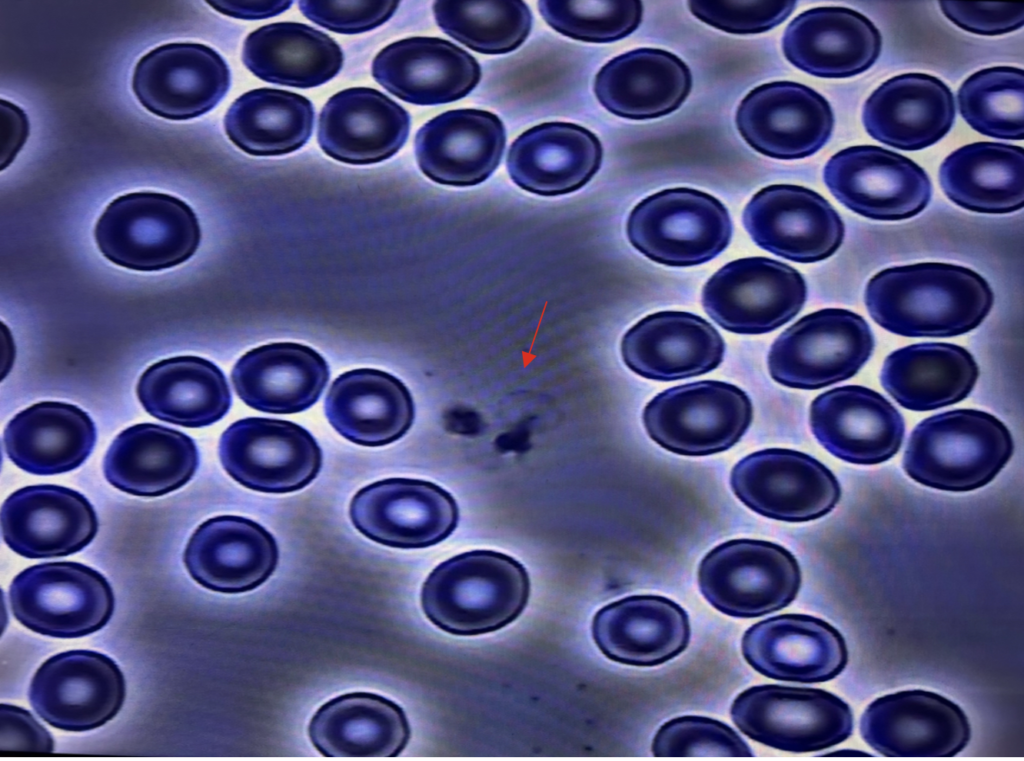
In the first two parts of this blood mini-series, we explored the lifelines that keep your body alive and thriving. Red blood cells (RBCs) deliver oxygen and nutrients, fueling every cell with energy. White blood cells (WBCs) stand guard, defending you against infections and hidden threats. But there’s still one more essential player in your blood that often gets overlooked: platelets.
Platelets may be tiny—smaller than both RBCs and WBCs—but they’re mighty when it comes to survival. These disc-shaped cell fragments act as your body’s emergency repair team. The instant a blood vessel is damaged, platelets rush to the scene, clump together, and form a plug that prevents blood loss. Without them, even the smallest cut or scrape could become life-threatening.
But their role doesn’t stop at clotting. Platelets also release chemical signals that trigger healing, attract immune cells, and help rebuild injured tissue. They are, quite literally, the bridge between bleeding and recovery. Just as RBCs give you energy and WBCs keep you safe, platelets ensure you stay whole.
The connection to your health

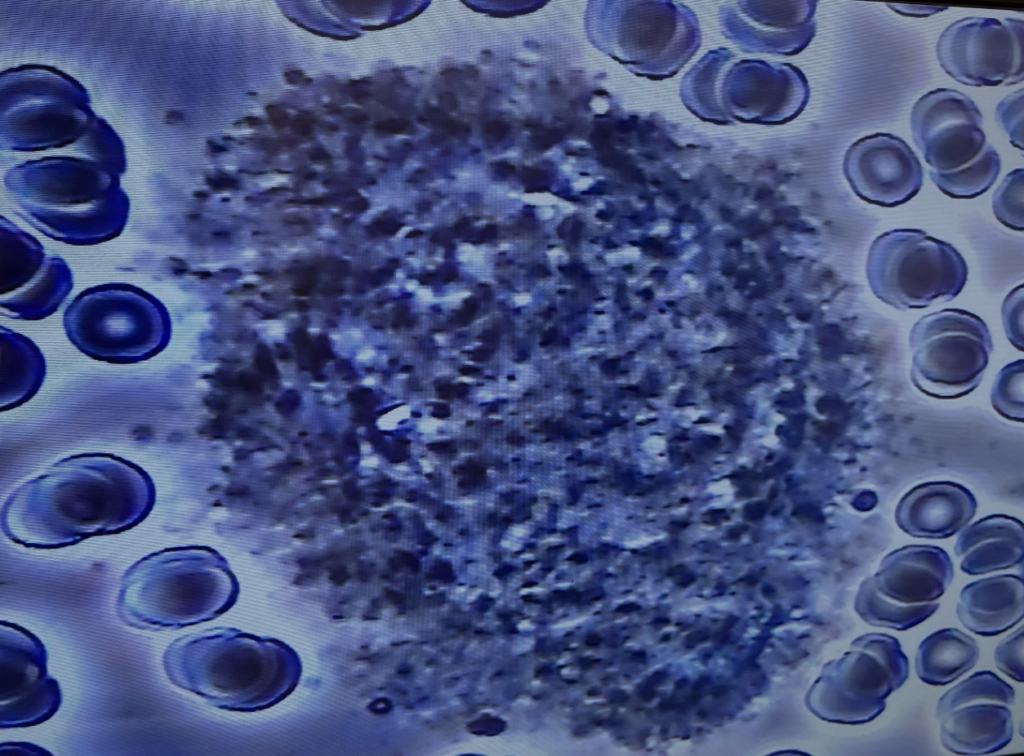
Platelets are essential for survival. If your levels are too low, your body can’t stop bleeding effectively, putting you at risk for bruising, nosebleeds, or even dangerous internal hemorrhages. On the other hand, if your platelets are too high and aggregated, your risk of blood clots, stroke, or heart attack increases.
This delicate balance highlights why platelet health matters for everyone, not just those with medical conditions. Everyday factors – stress, diet, hydration, medications, even lack of sleep – can affect platelet function. By learning how to support them, you’re not only protecting yourself against sudden injuries but also reducing long-term risks of cardiovascular disease and supporting your immune system.
Think of platelets as both a shield and a repair crew: they guard against excessive bleeding and initiate healing when you need it most. Keeping them in balance is one of the smartest steps you can take for your overall health.
the science made simple
Platelets, also called thrombocytes, are the smallest type of blood cell. Unlike red and white blood cells, platelets aren’t complete cells – they’re actually cell fragments formed in the bone marrow from large cells called megakaryocytes.
Here’s how they work:
- When a blood vessel is injured, it exposes the inner lining (collagen and other substances).
- Platelets detect this damage and rush to the site, becoming sticky and clumping together to form a temporary plug.
- They then release chemical messengers like serotonin, thromboxane, and ADP, which recruit more platelets and activate the clotting cascade.
- Finally, clotting proteins (like fibrin) weave through the platelet plug to create a stable clot that seals the wound.
A healthy platelet count usually falls between 150,000–450,000 per microliter of blood. Counts below or above this range may signal issues:
- Low platelets (thrombocytopenia): Can result from infections, medications, or bone marrow disorders.
- High platelets (thrombocytosis): Results from chronic inflammation, iron deficiency, or bone marrow disorders.
But platelet health isn’t just about numbers, it’s also about function. Even with a normal count, platelets can be “too sticky” or “too sluggish,” which alters your risk of clotting or bleeding. That’s why lifestyle choices – like hydration, balanced nutrition, and avoiding excess alcohol or smoking – play such a big role in keeping chronic and acute inflammation down and keeping your platelets working optimally.
Practical Tips
Supporting platelet health involves creating balance, helping your body clot when needed without tipping into dangerous clotting. Here are practical ways to protect and optimize platelet function:
Nourish with the Right Foods
- Vitamin K foods: Dark leafy green vegetables, romaine, and some cheeses contain high amounts of vitamin K, which is essential for clotting factor production. However – on the flip side – leafy greens also contain high amounts of sulfur and oxalates, which can contribute to more inflammation in some individuals, leading to more platelet aggregation.
- Iron-rich foods: Choose heme iron, such as animal-based, like red meat and poultry, and fish. Other non-heme iron sources include spirulina, hemp hearts, lentils, and pumpkin seeds, baked potatoes, lentils and beans. This helps prevent anemias, which can over produce platelet production.
- Omega-3 fatty acids: Found in fatty fish such as salmon, mackerel, and trout as well as eggs. Plant-based options are found in chia seeds and hemp hearts. Omega’s make platelets less sticky and avoids unnecessary aggregation.
Stay Hydrated
Dehydration thickens the blood, making clotting more likely. Aim for mineral-rich water, which supports electrolyte balance and circulation.
Prioritize Rest & Stress Management
Chronic stress and poor sleep can increase inflammation, which can overstimulate platelets. Aim for 7–9 hours of sleep and use relaxation practices like deep breathing, meditation, or nature walks.
Be Mindful of Medications & Habits
- Smoking makes platelets more adhesive, increasing clot risk, as well as damages vessels and tissues, which promotes more aggregated platelets to adhere to damaged areas, increasing risk of clots.
- Excess alcohol can lower platelet counts and impair their function.
- Common drugs like aspirin and NSAIDs thin the blood by reducing platelet activity—sometimes necessary, but important to understand.
Support Circulation
Movement encourages healthy blood flow and prevents platelets from clumping unnecessarily. Even light exercise like walking 30 minutes a day helps.
Natural Support
- Support the immune system to fight off infections, which can cause low platelet counts.
- Chlorophyll-rich foods (like Barley grass, Spirulina and Chlorella) provide many vitamins and minerals that aid in supportive red blood cell and platelet production.
- Turmeric, cayenne pepper, or white willow bark act as natural blood thinners – great for reducing stickiness but should be used cautiously if you already have low platelets or take anticoagulants.
Key Takeaways
Platelets are tiny but powerful protectors, ensuring you don’t lose excessive blood when injured and jumpstarting your healing process. Balanced platelet function prevents both dangerous bleeding and clotting events like strokes or heart attacks. The key is supporting their health daily with a nutrient-rich diet, good hydration, movement, stress control, and avoiding habits that damage them. While they’re often overlooked, platelets play a central role in your overall wellness, making it vital to understand and care for them.
Call to action
Enjoying what you’re reading? Stay tuned — new, valuable health topics drop every week.
If you found this helpful, share these practical, real-life tips with your friends and family so they can benefit too.
Coming up next: an eye-opening post all about parasites — what they are, where they come from, and what you should know.